

Boston Focus, 12.13.24
Some things I have read through recently...

Boston homeowners’ annual tax increases had a bit more of a spotlight this year given the city’s failed attempt to temporarily shift tax burden to commercial real estate owners.
One of the questions raised throughout the monthslong debate was the ability for the city to cut back on some of its recent 8% increase in spending, in lieu of increasing taxes.
A brief look into just the BPS budget - which comprises 39 cents of each dollar the city spends - reveals how difficult that would be to actually do.
The state’s E2C Data Hub rolled out a new financial tool that allows one to easily visualize and compare school district spending. Click through a few buttons and you can find the BPS FY23 budget, line-by-line how all ~$33,000 were spent per student.
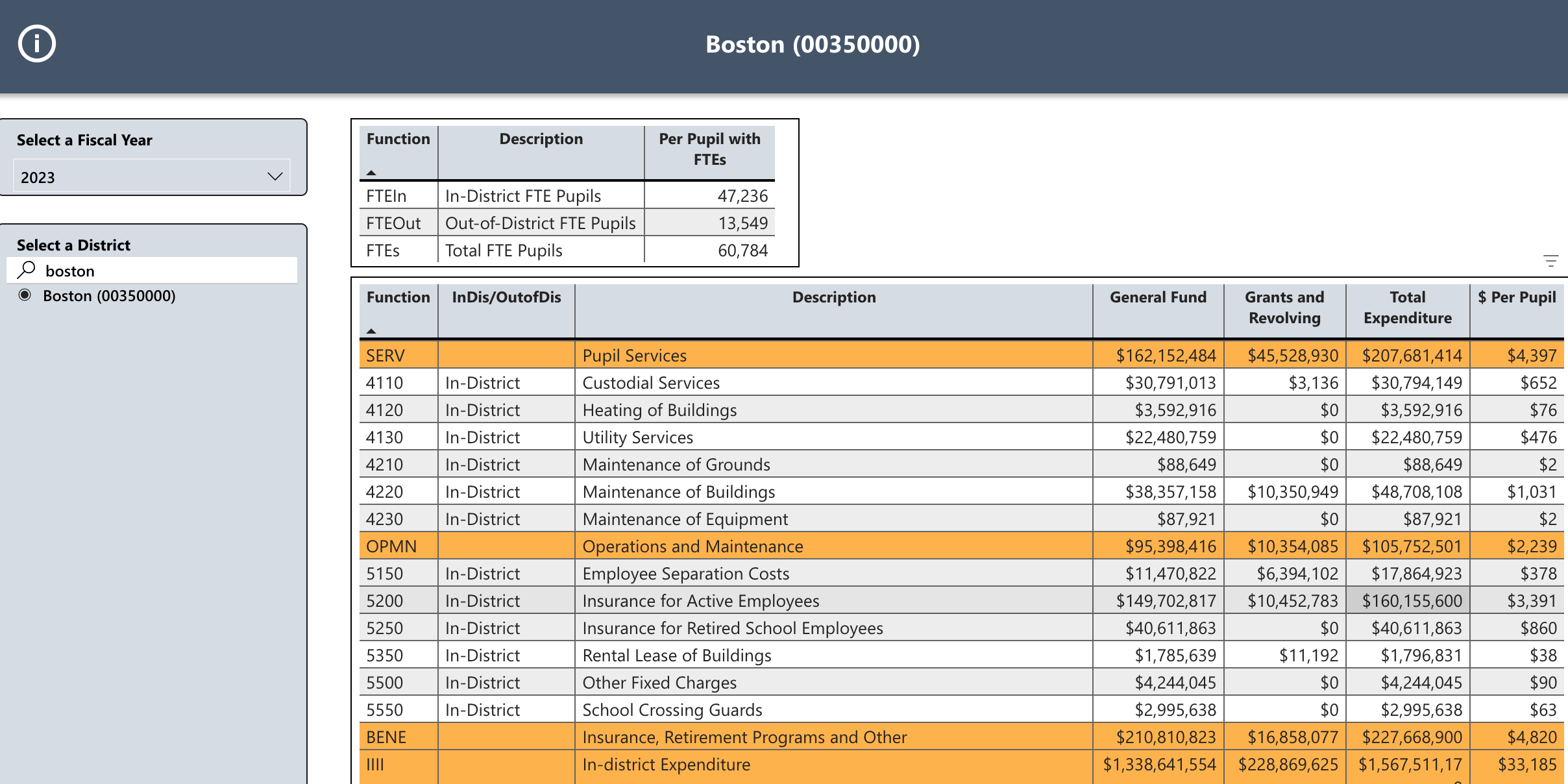
The BPS budget is simpler than these tables suggest. 83 cents of each dollar goes to two places:
People (salaries, health insurance, retiree benefits, money for people to train other people, etc.)
Buses (which includes more people, who drive the buses)
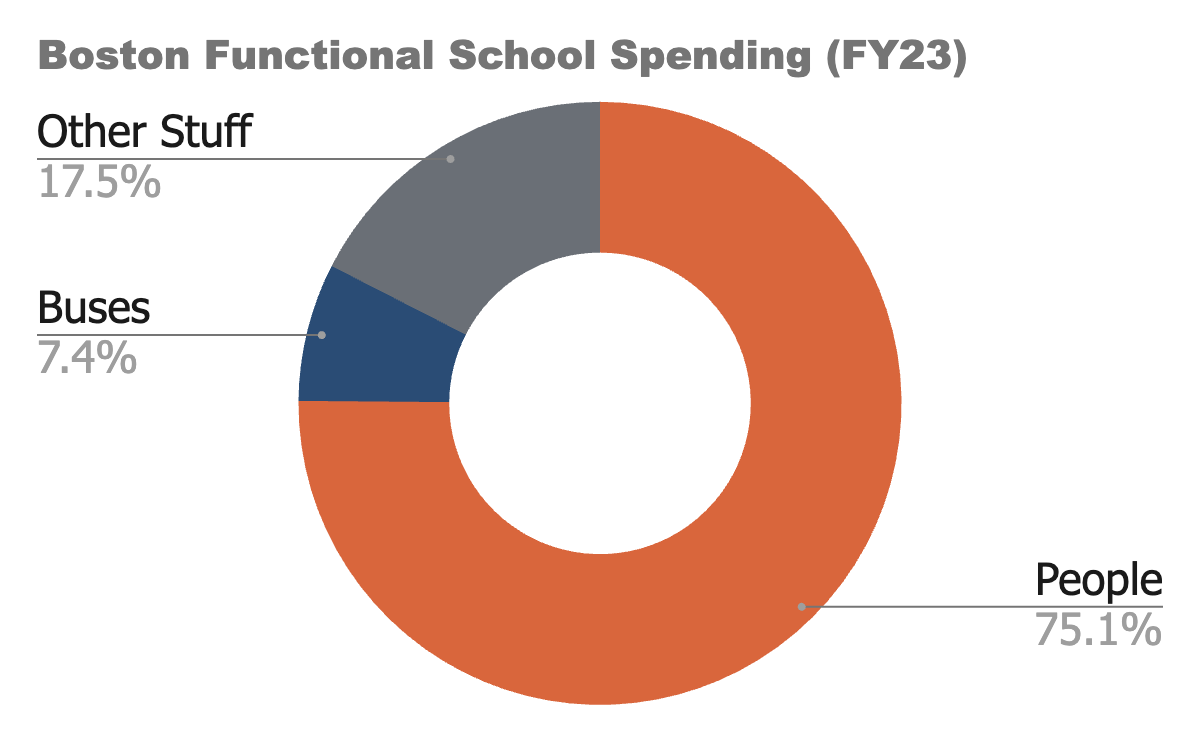
As I have analyzed in the past, BPS has dramatically increased its staffing levels over the past decade. Most of this staff is unionized, and the majority of that staff - teachers and those similarly classified - have tenure protections. “Cutting” is simply not an option, absent shedding one-time federal pandemic funded positions (which Boston did last year) or layoffs, which some other Massachusetts communities have done.
Busing should be construed less as an expense, and more as a byproduct of the student assignment system. Despite the stated goal of the most recent assignment system to reduce busing, since 2013 busing costs have increased. Innovations or cost-cutting measures do not solve for the macro factors that (1) there is school choice and (2) a large number of students receive individualized transportation due to special education requirements.
So, buses will continue to be a substantial portion of the budget without changes to assignment or special education services. Along with layoffs, it is difficult to imagine harder policies to implement on a short timeline.
Treating people and buses effectively as entitlement spending, you are left with “other stuff.” With marginal dollars remaining to provide everything from lunch to athletics, there is not much left to cut. The district already spends more money per pupil on buses than it does on books and instructional materials.
There is more room here than in the past. Over the past fifteen years, the district’s people and buses investment has actually declined by 4%.
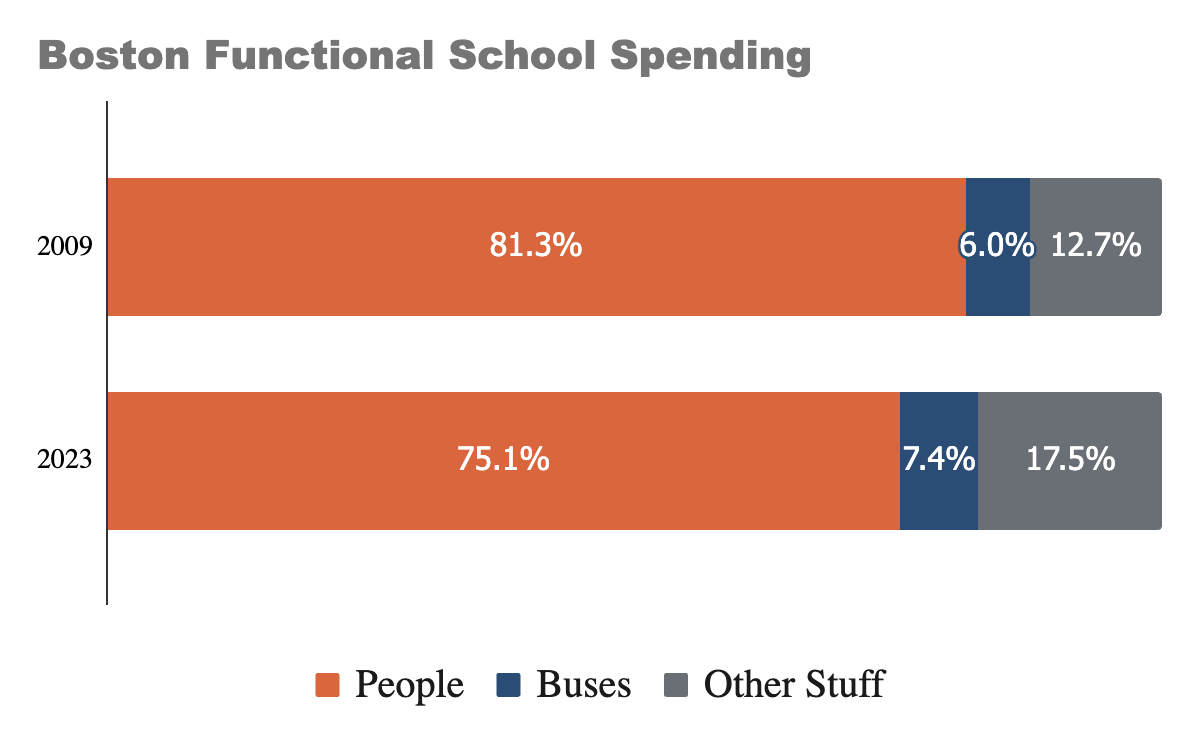
Like all fiscal binds, the problems of today are carried from the past.
And there are no quick fixes.
Schools
Congratulations to Principal Claire Carney, the faculty, students, and families of the Bradley Elementary School in East Boston, named one of the top schools in the country.
Boston’s expansion of multilingual programs is nothing new. The foreign-born population in Boston began to dramatically increase 20 years ago, well ahead of the national immigration increases that drove the 2024 political cycle.
With Michael O’Neill reappointed to Boston School Committee and an election year nearing, calls for a return to elected school committee are resurfacing.
With a pledge by the city to cover half the cost “no matter what,” the proposed White Stadium renovation is on-track to cost more than building Polar Park in Worcester. Legal hurdles still remain.
Commonwealth has a solid summary of the Supreme Court’s decision not to consider changes to Boston’s exam school admissions policy.
The MA literacy lawsuit is garnering national attention.
Buses and capital issues are germane to most cities, as Framingham wrestles with the former, and New Bedford addresses the latter.
Voters on November 5th elected to eliminate the MCAS graduation requirement, but recently polled voters support the need for a graduation requirement. Here is the state’s current guidance.
Additional assessment data shows the slow pace of post-pandemic learning recovery.
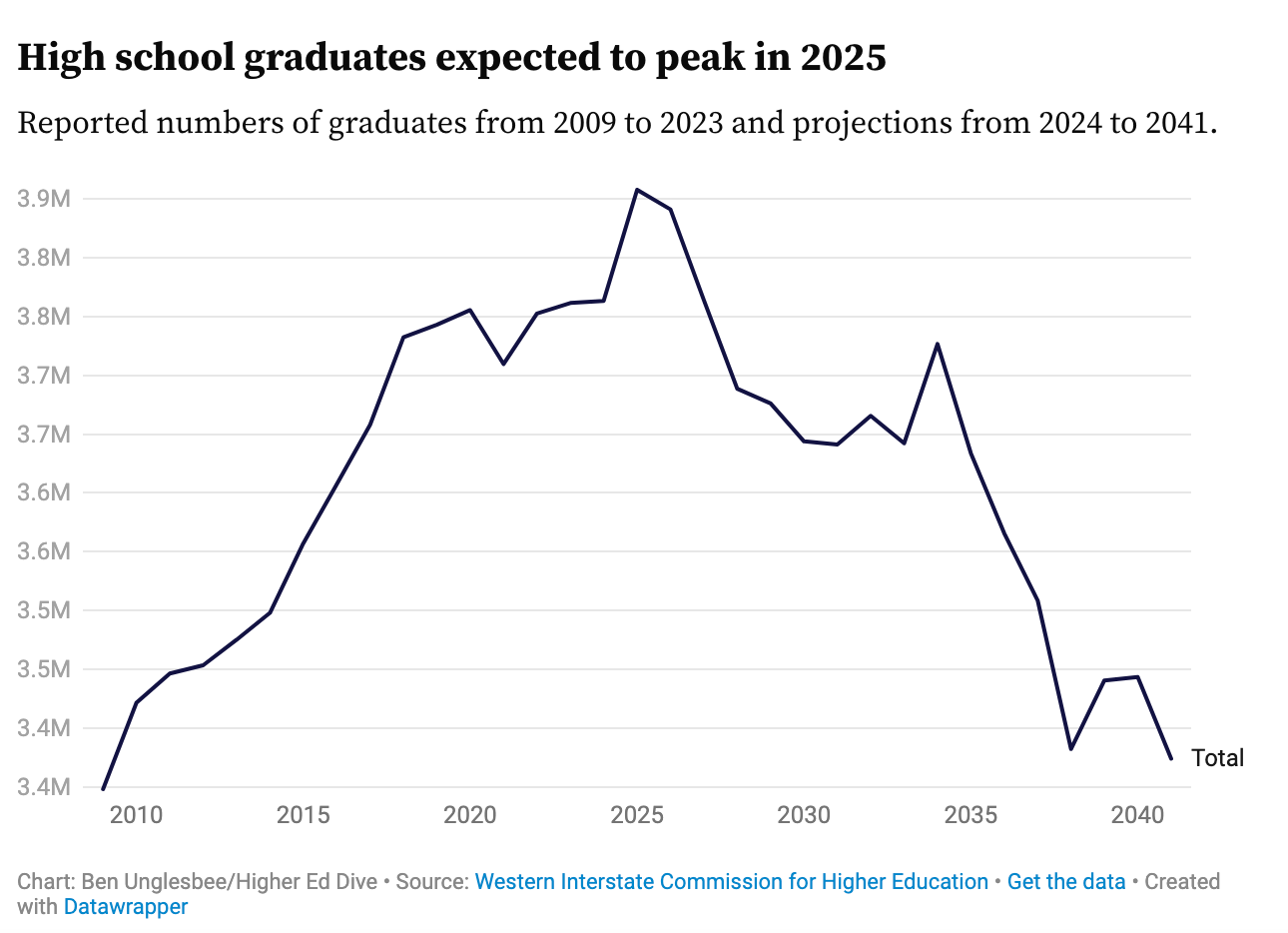
New numbers document post-pandemic era enrollment decline.
Why does this matter? The long-term effect is fewer high school graduates, which means fewer, college and career-ready, economically-active adults in our communities.
Has the expansion of access to Advanced Placement been successful? Recently released data reveals large local access and achievement gaps.
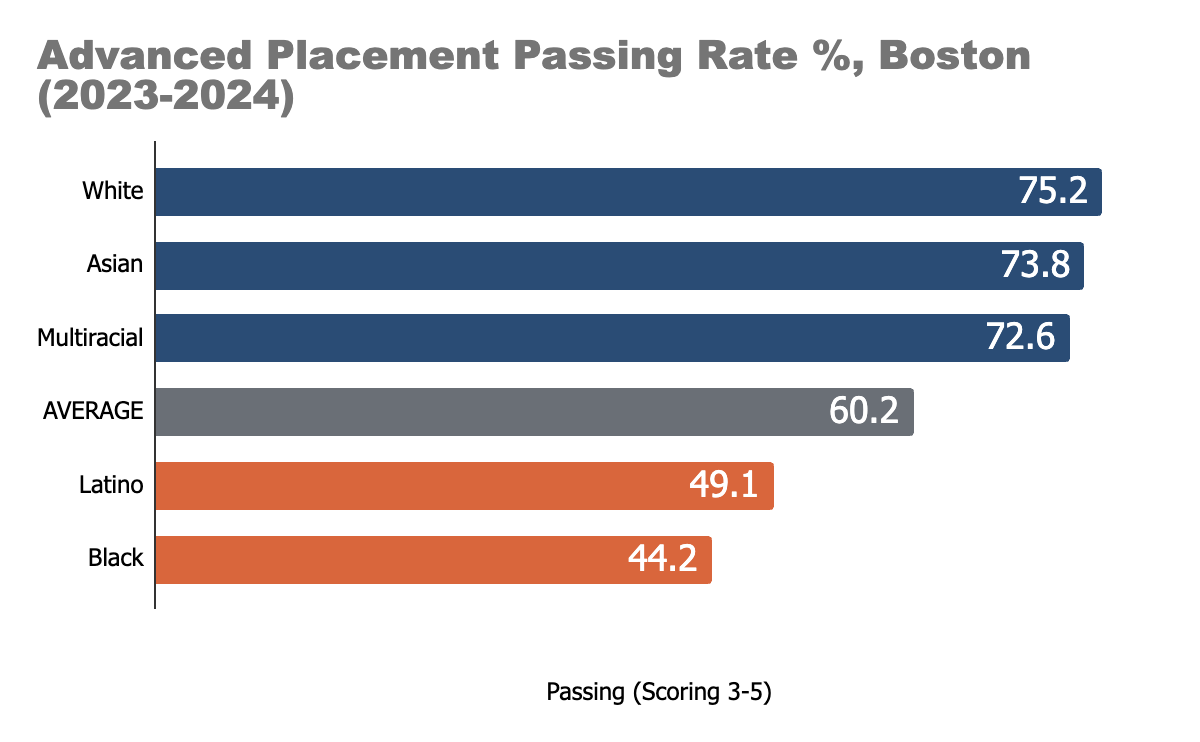
There has been a lot of coverage of students leveraging AI to cheat. What is permissible for educators?
School and school districts may not have to worry about banning TikTok - the US government may do it for them.
How will the Trump administration attempt to reshape American education? There may be some bipartisan initiatives, given that voters have not supported more extreme proposals at the ballot box.
With more and more parents questioning the value of higher education, expect pressure to reform admissions, either to level the playing field or just make it easier.
What about the millions of Americans who have had “some” college? This podcast with Duet talks about their needs and pathways.
New research shows that enrollment of low-income students in Massachusetts community college has nearly doubled, but many of those students lack the prerequisite skills to obtain degrees in high-paying fields.
Other Matters
So much of the budget and tax debate is driven by market dynamics and projections. But two things are clear: housing costs are still really high.
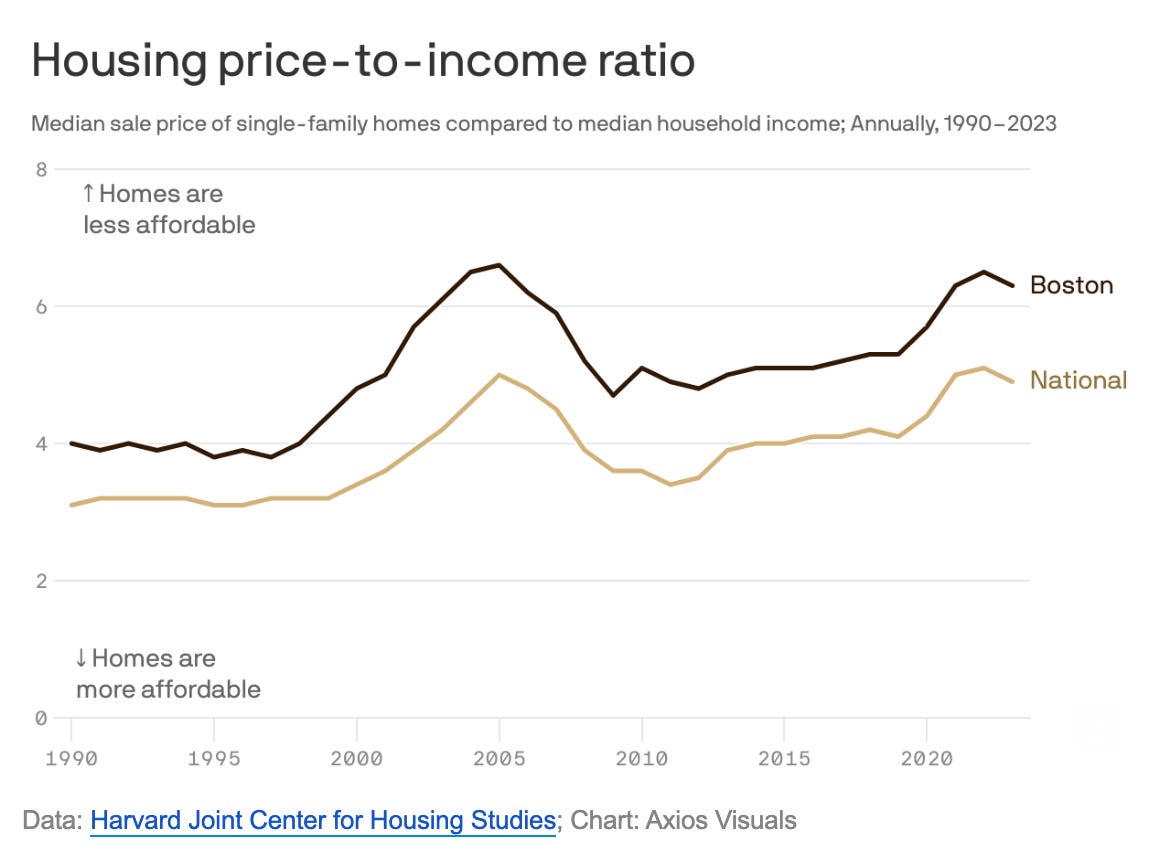
And commercial real estate values are going down. This week’s evidence? An entire office building in the Financial District was just bought by a non-profit for less than it would cost to buy four bedrooms in Beacon Hill.
Why rule out layoffs? They happen in the private and nonprofit sectors. And the idea that busing is there to support “choice” seems farfetched…isn’t it really there to support court-ordered busing aimed at desegregation rather than neighborhood schools?