

Boston Focus, 12.6.24
Some things I have read through recently...

With early and rolling decisions already coming in the multi-month game theory exercise that is now college admissions, Massachusetts has just released last year’s SAT data.
Results here reflect broader trends with the test: a return to the “1600” standard brought an initial high-water mark in testing, which was upended by the pandemic.
The shapes of MA and Boston’s data are nearly identical.
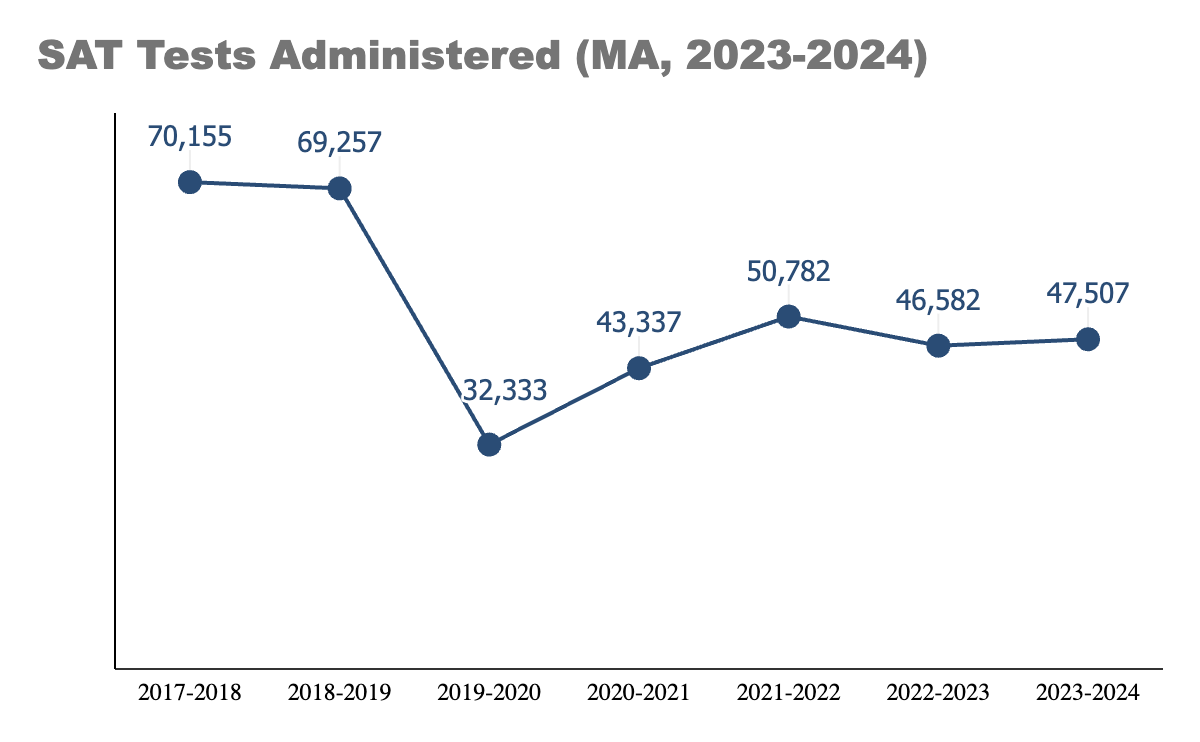
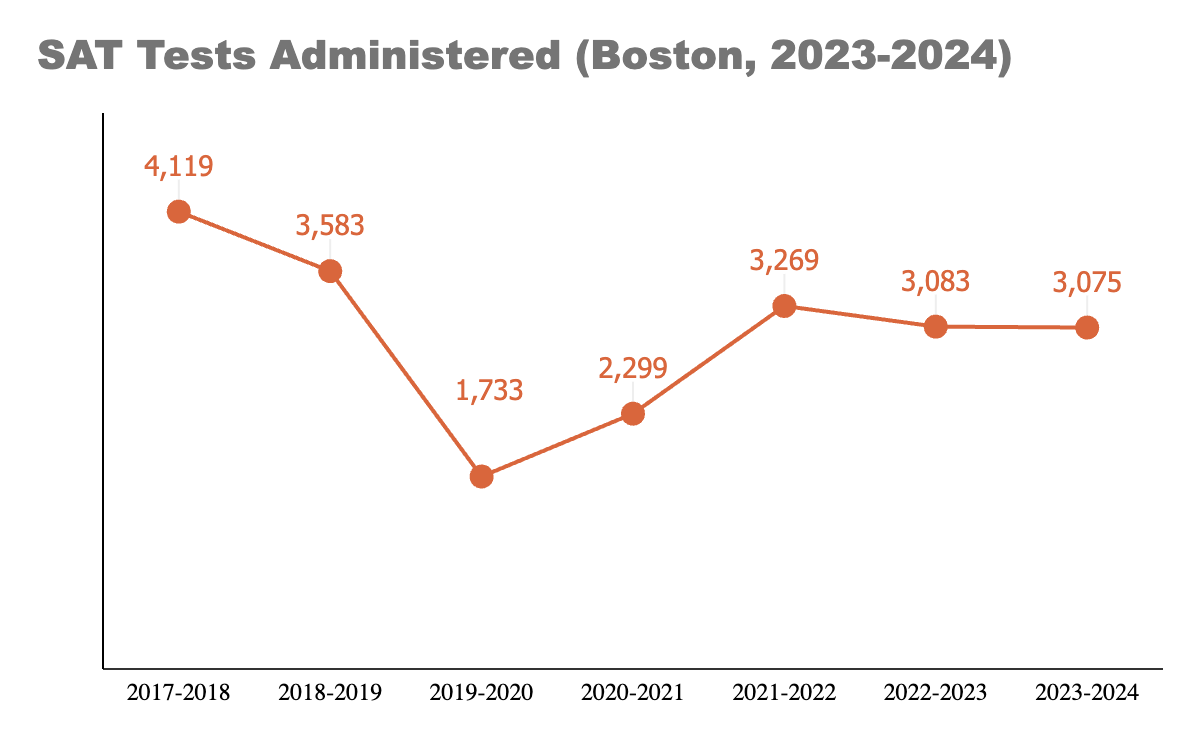
The pandemic brought two disruptions. Initially, just administrating the test, and then many colleges electing to make the SAT optional or not requiring it at all. Here, SAT participation rates have not yet returned to pre-pandemic levels, but average SAT scores are actually higher.
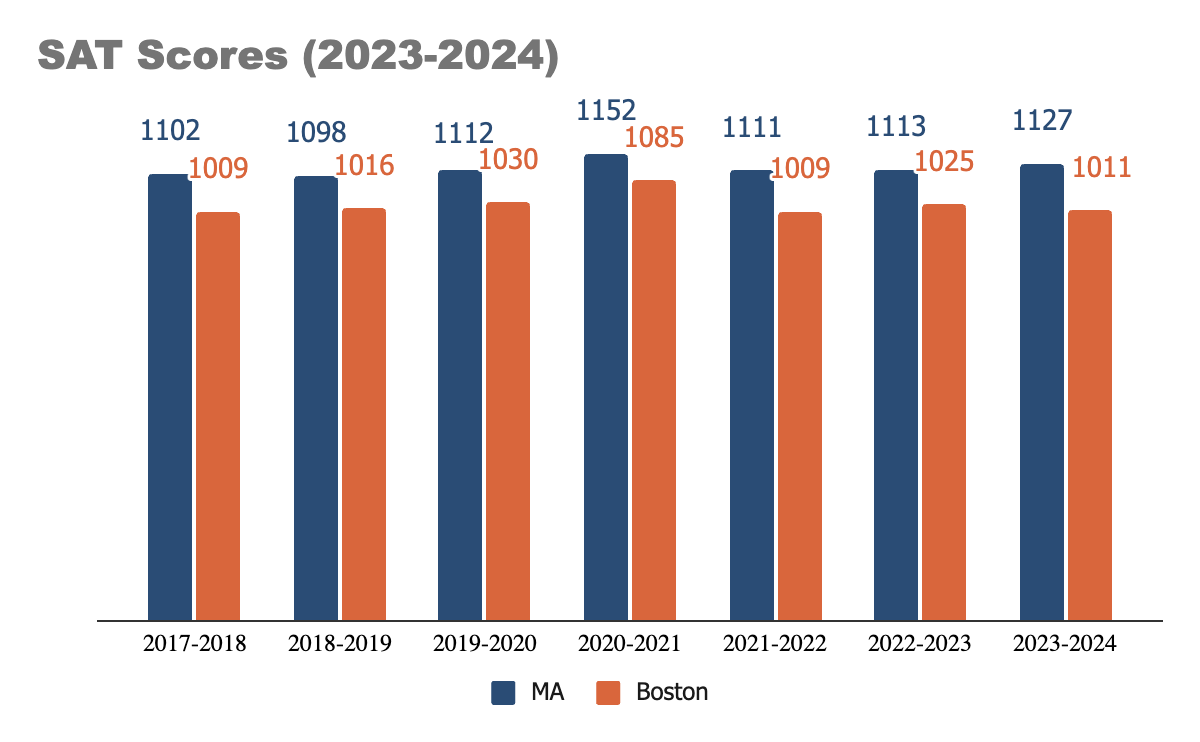
This runs against contrary to any other pandemic era academic measure. How?
You may have noticed SAT scores hit their height during the pandemic. This reveals a logical explanation: with no SAT requirement, less students participated, leaving a greater share of students with competitive SAT scores who still wanted them for their applications.
This last point gets at the sensitivity of using the SAT as a descriptive measure for schools or school performance. Most limiting, the SAT is an individual and elective assessment, with only ~60% members of the recent US Class of 2024 actually taking it.
Here are the most recent SAT averages for all of Boston’s high schools.
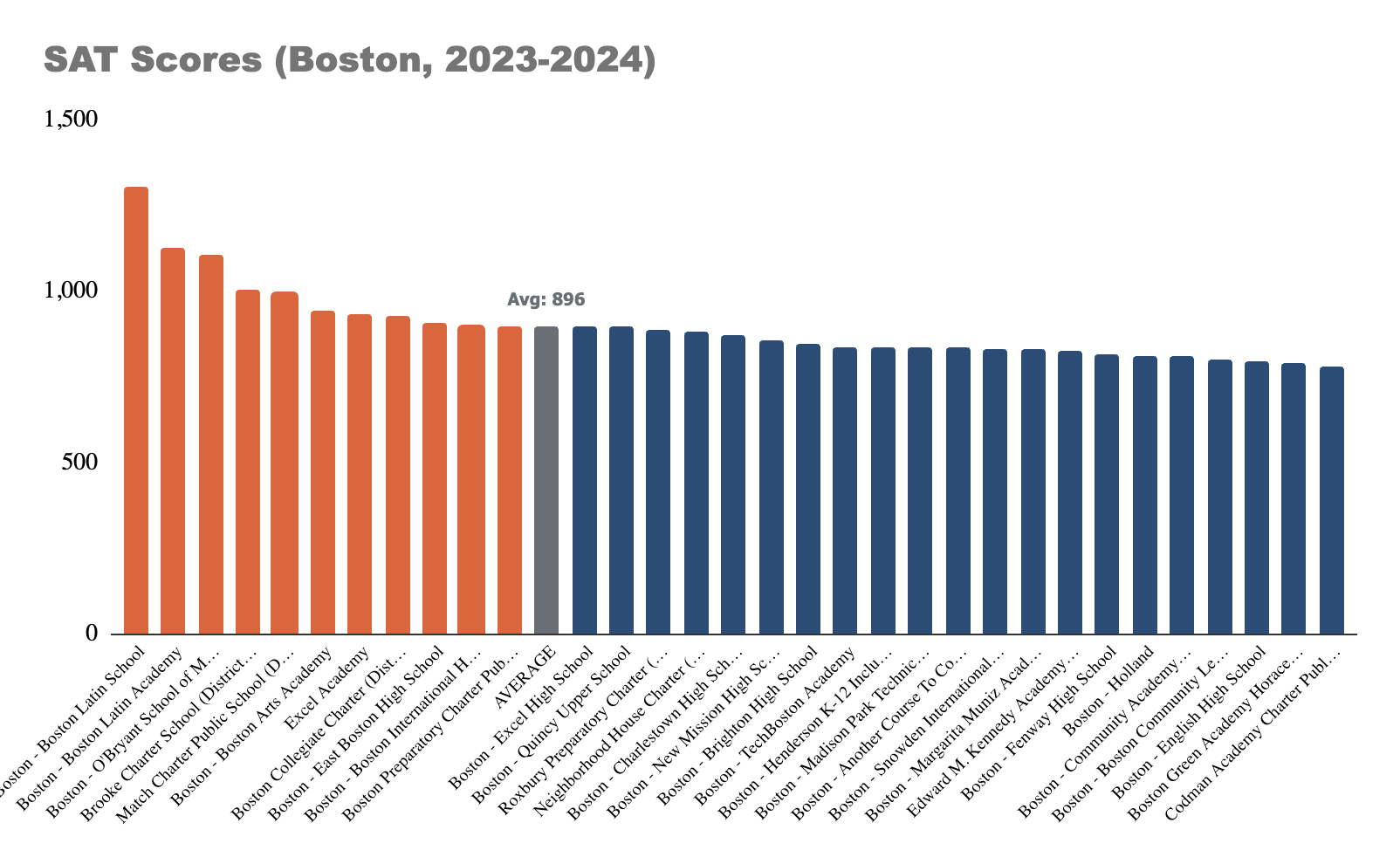
Why the lower average (896) than listed above?
First, the set is different (includes Boston charters). But, more impactfully, this graph represents performance by school, not students. The top four schools in the city - the exam schools and Brooke - account for 40% of all of the SAT tests administered in 2023-2024. By contrast, Madison Park administered only 36 SAT tests for its 464 juniors and seniors. This dynamic skews the student average up.
It is common knowledge that SAT performance is highly correlated with socioeconomic status. Even with the relatively small sample size of Boston high schools, there is an unmistakable line of fit (-0.8).
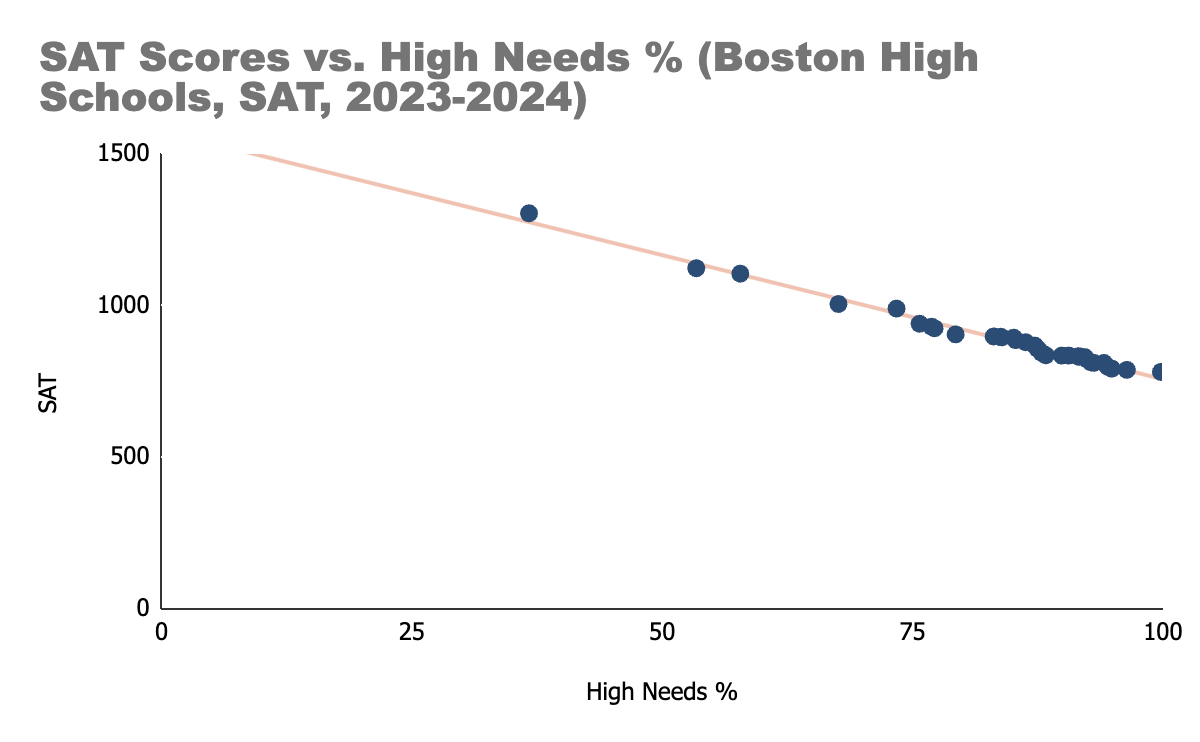
Graphs like this are a bit of an educational Rorschach test. Some will say this line “proves” the SAT is bad. Some will say this line “proves” that schools cannot overcome socioeconomic forces. Some will say that some points on this line “prove” that schools can overcome socioeconomic forces. Some will say this line “proves” some schools are bad.
No matter your opinion - and in contrast to growing skepticism of standardized testing - the SAT is still here and had record-setting participation last year.
Schools
Labor was the theme of Wednesday night’s Boston School Committee meeting. Public comment was dominated by Boston Teachers Union contract demands, bus drivers got job security and raises as long as they promise not to strike, and BPS released reams of teacher demographic data.
This year’s MA teacher of the year is Luisa Sparrow of the Perry, a K-6 school in South Boston. Congratulations!
After an 11-month pilot (and some debate), Mayor Wu announced an expanded free museum program for all Boston children.
Through Thanksgiving break, the three North Shore teacher strikes ended with +15.4% salary increases, paraprofessional raises, and more leave time. Summary here.
The elimination of the MCAS high school graduation requirements devolves decisions to local school districts. Turns out, they will be really different. What about using coursework? There is evidence that families trust grades less now, too.
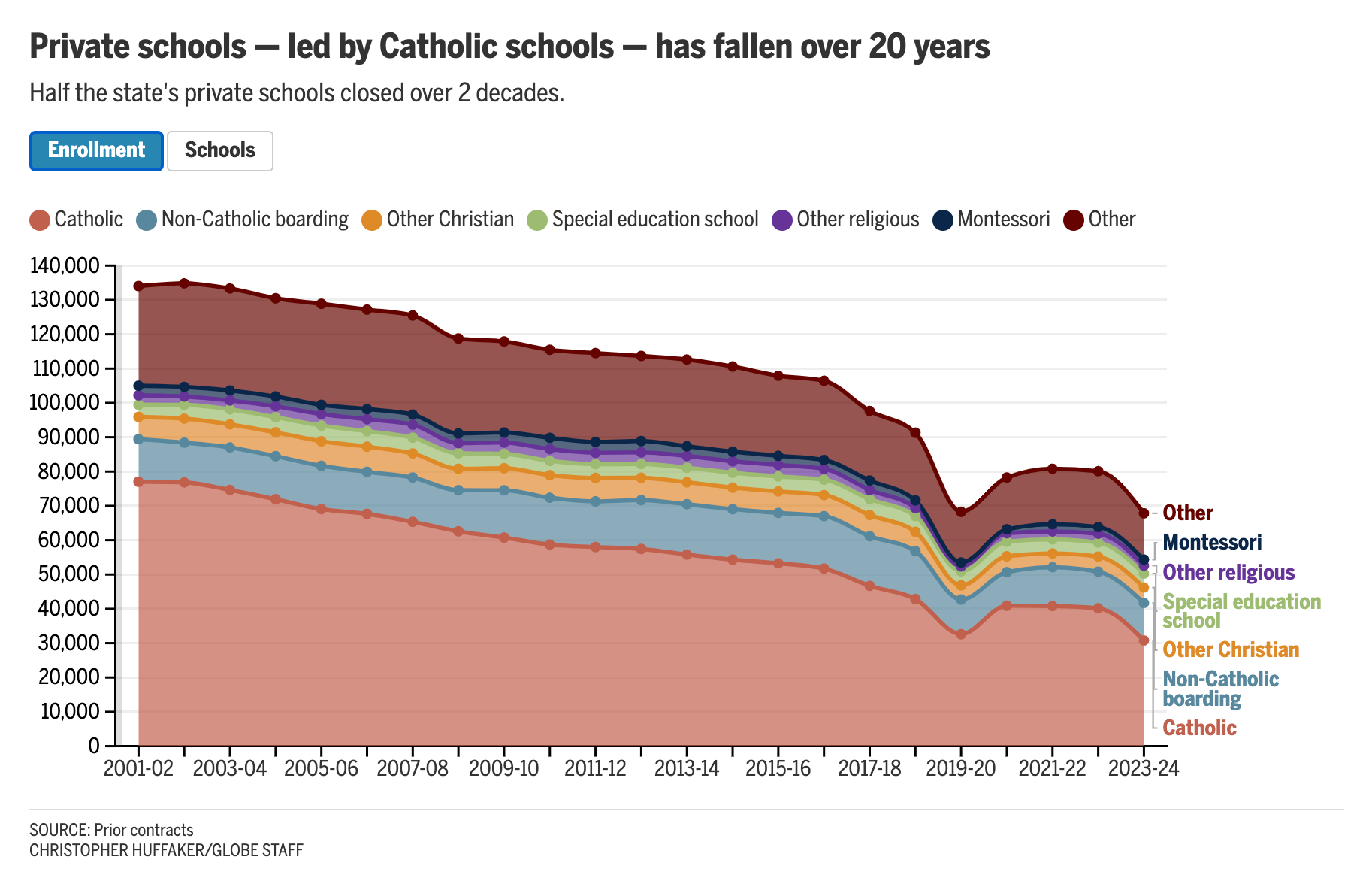
Chris Huffaker goes deep into MA private school data here.
In what may be the first step in a class action lawsuit, two MA parents are suing literacy curriculum developers.
The search for MA’s new Commissioner of Education is open.
While more MA school districts join the lawsuit against Meta and TikTok, Australia passed a ban on use until age 16. Meanwhile, the USDOE is “no one-size-fits-all” in its guidance on cell phones.
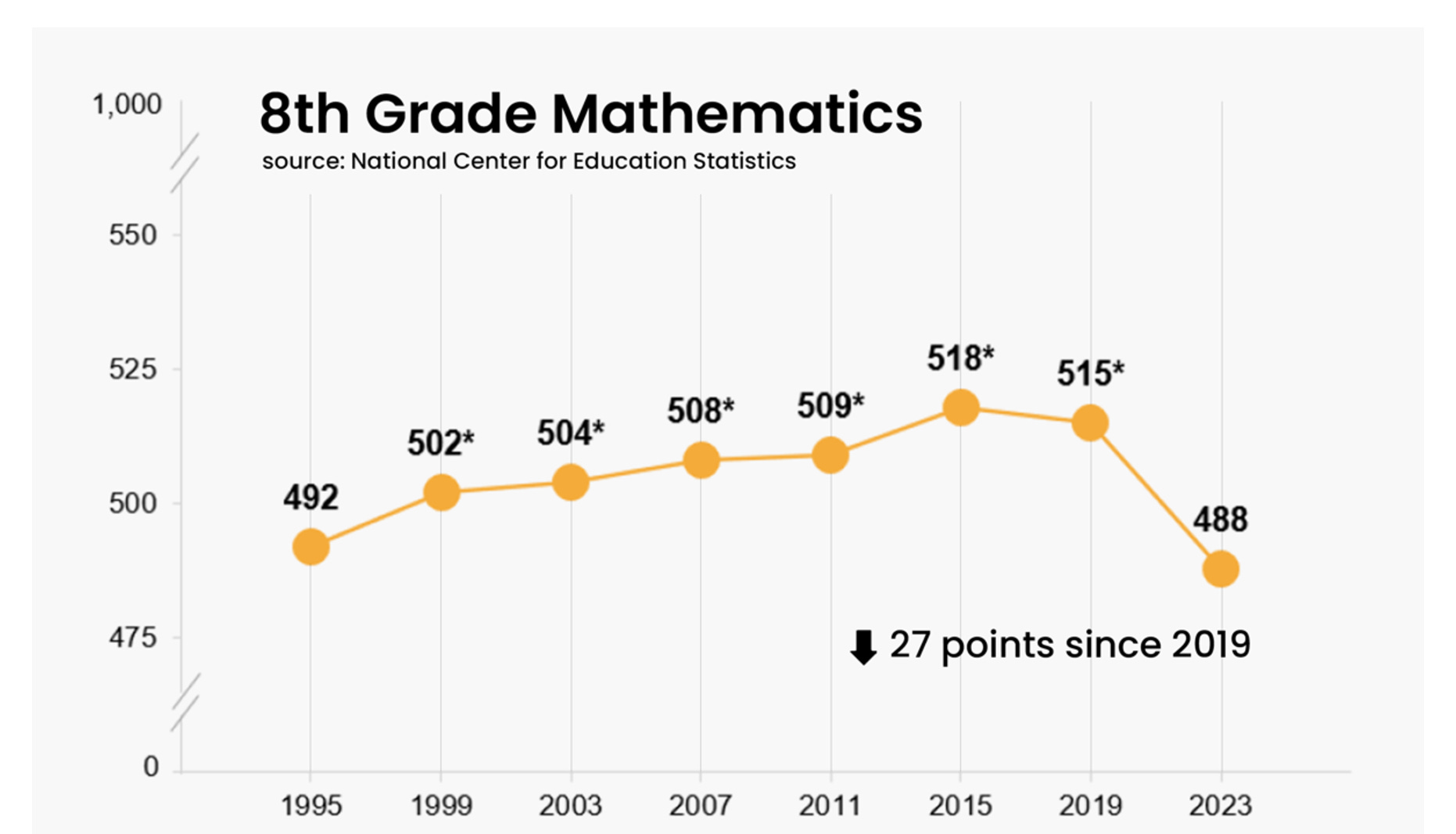
Not great news out of the Trends in International Mathematics and Science Study (TIMSS), an assessment administered to 4th and 8th grade students around the world. As summarized well here, American results are down, trailing other countries, and gaps are rising again. 30 years of progress was “erased” in one sitting.
High school graduation rates have perhaps plateaued, leading Tim Daly to wonder if they really matter all that much any more.
Annual National Clearinghouse data has some good news for MA. The Commonwealth ranks third in six-year college graduation rates (trailing fellow New Englanders Vermont and Rhode Island) and there is evidence that investments in dual enrollment increase graduation rates, too.
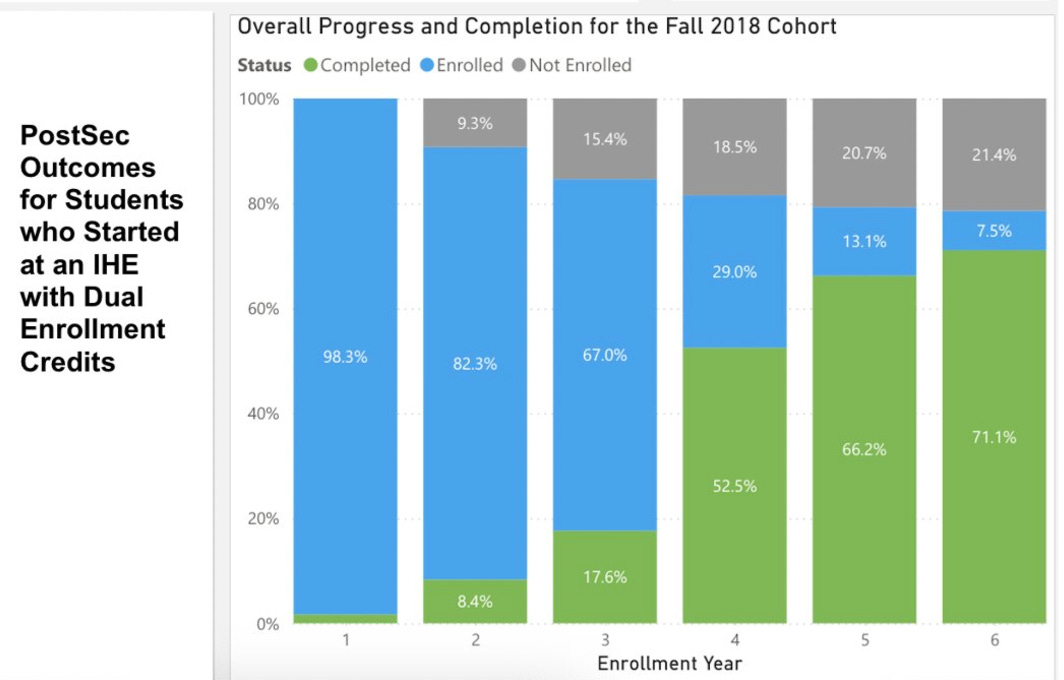
Hey, maybe some MA college students could even finish in three years?
A video reminder that the whole world teaches children, and it looks very different in different places.
Other Matters
With the BSF wind down, there is now a static version of Boston School Finder. Doesn’t have all the features of the former site, but it is still where thousands of Boston families go each year to see all their school options in one place.
