

Boston Focus, 7.24.26
PILOTs can only get you so far

BU and the city got big headlines with a 5-year pledge of $104M for the city’s PILOT (“payment in lieu of taxes”) program.
Good news, but a solution to the city’s “budget woes?”
The PILOT program was started under Mayor Menino, with the idea that the city’s tax-exempt, real estate-owning non-profits needed to pay something for city services/benefits. The city determines an annual payment request, and non-profits can offer cash and cover a lot of the request with “community benefits” that they define. In BU’s case, that means higher cash payments each year and even more scholarship money for Boston kids. That’s great.
The catch here is that all of this is technically voluntary, so the city never collects the full amount in cash or benefits. Most recent list and amounts here. In FY25, the remainder was almost $30M.
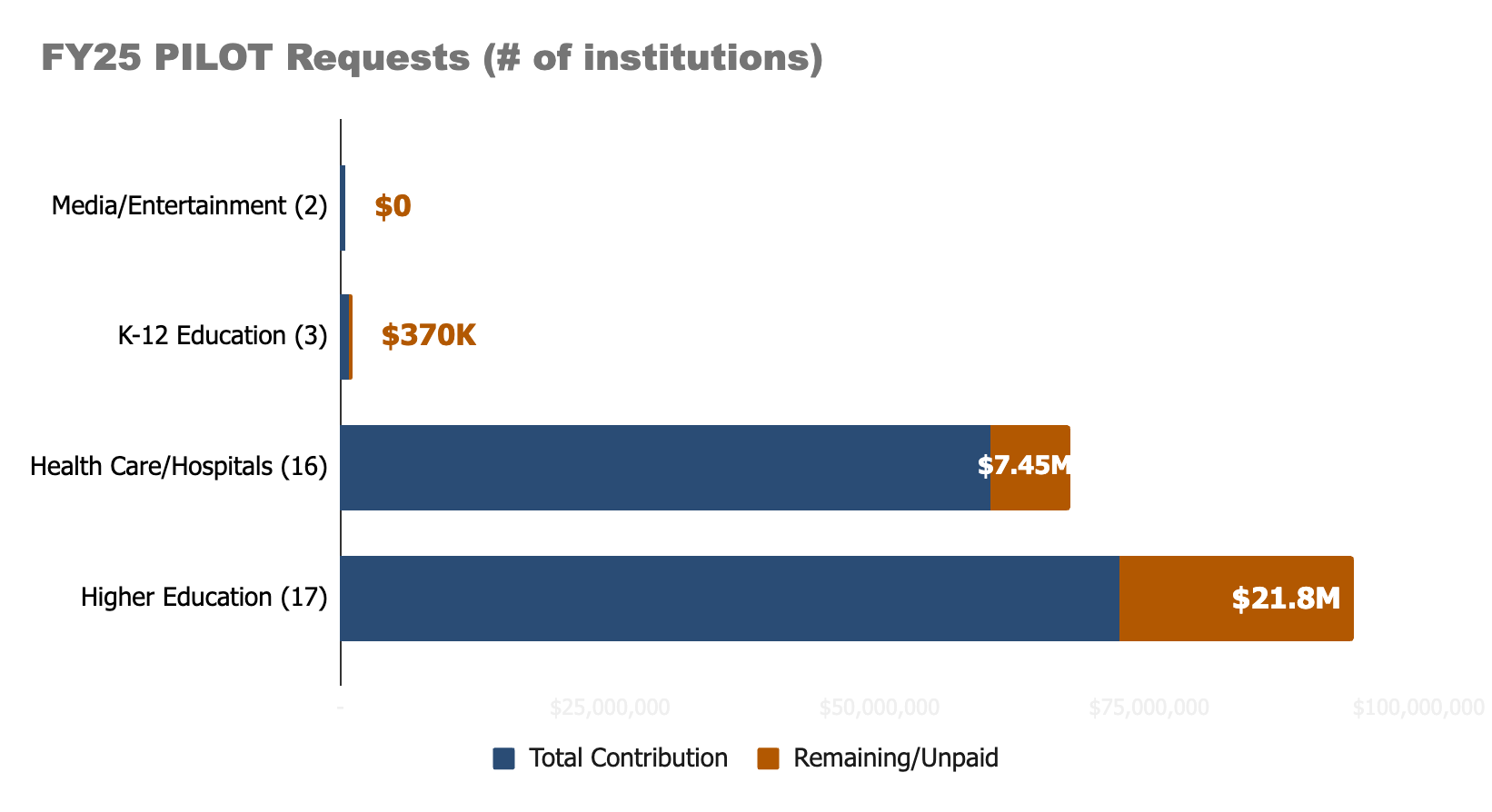
As result, PILOT payments have long been a target of elected officials and advocates pushing to increase the city and school budget. National debates have oversimplified questions around class, so demands for non-profits with big budgets to pay their “fair share” makes for good politics.
Who doesn’t like a tax that someone else has to pay?
Except here the rhetoric doesn’t buy that much: even if the city collected all of those remaining PILOT requests, in cash, it is worth about half a penny in budget terms.
Real money that would do some good? Sure. Change the city’s budget? Not so much.
In a similar vein, BPS collecting $400,000 in bus fines gets clicks, but it represents 0.002% of the budget while also acknowledging subpar performance, stuck with just one bid.
These percentages are only small due to the magnitude of the budgets we are talking about. This is more typical than one would think.
A Brookings study released this week raised some eyebrows, concluding - contrary to widespread belief - that poorer school districts spend more than wealthier districts.
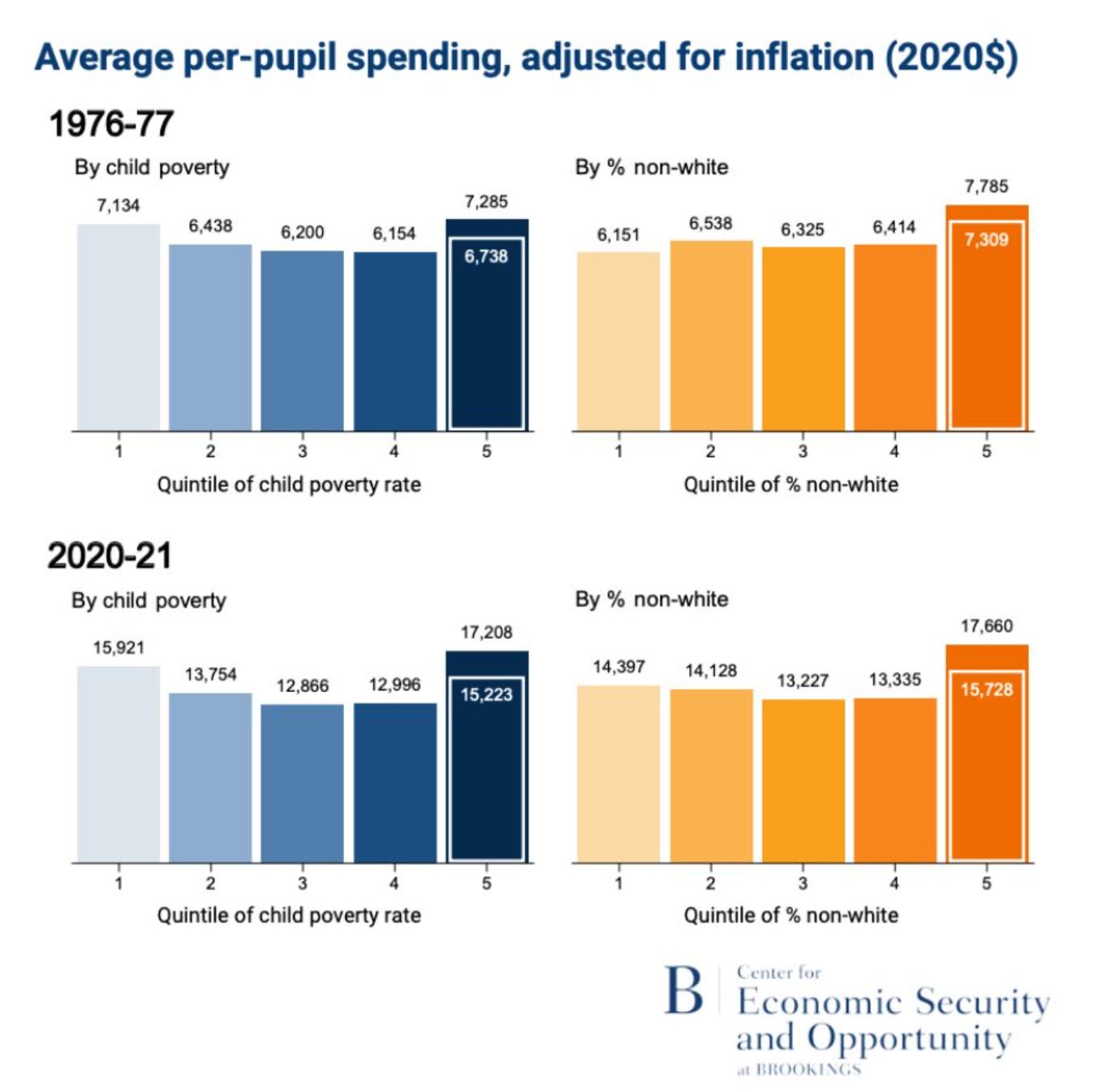
This is driven, as authors note, by federal funding (such as Title I) and is even more pronounced in states that have redistributive funding formulas (like Massachusetts).
Boston has continued to be a leading spender on public education, and is doing so on its own dime. Adjusting for inflation and excluding one-time pandemic funds, state and federal dollars have actually declined over the past decade.
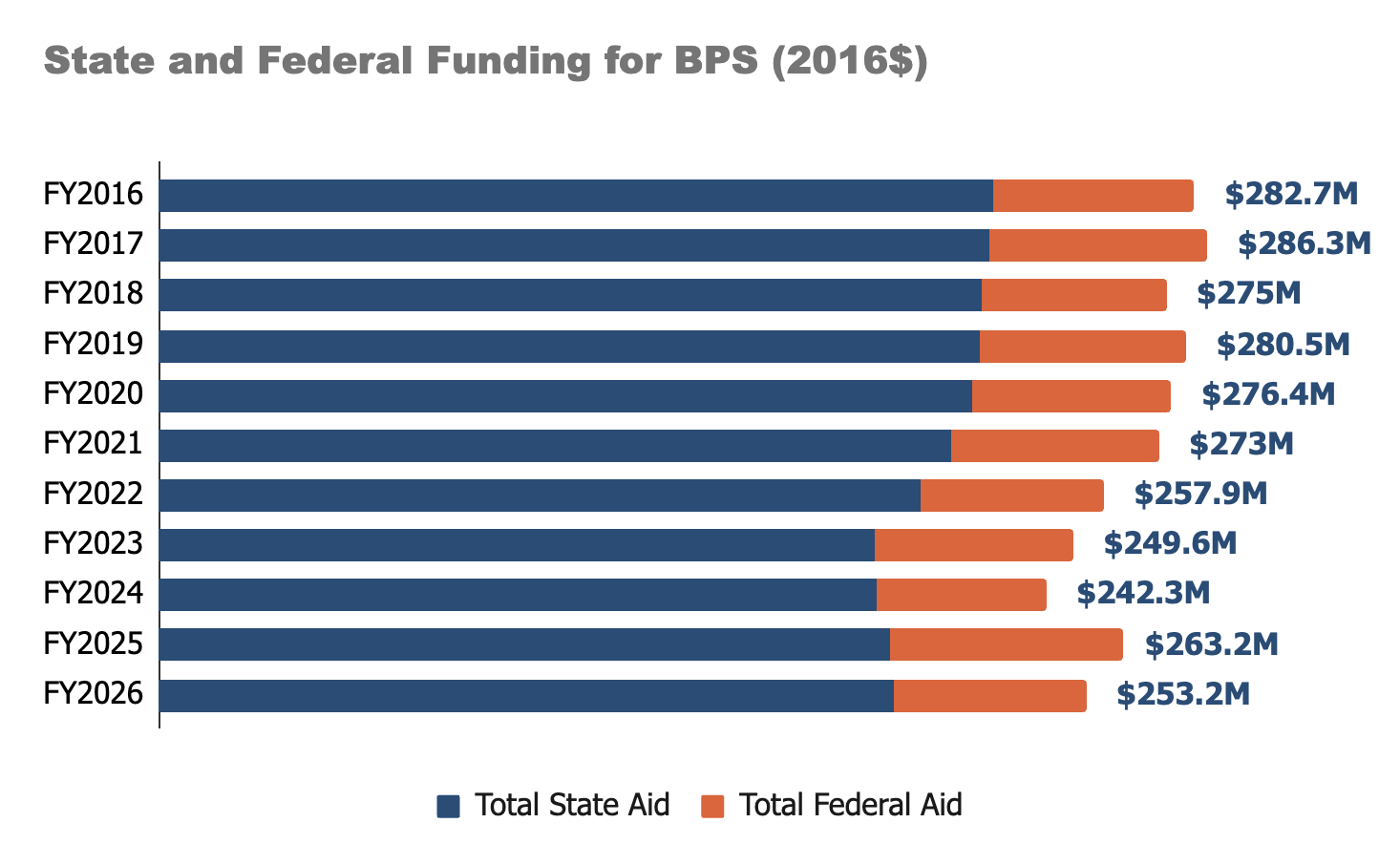
This is not because funding levels are down.
It is because Boston’s enrollment is down; state and federal funds are allocated on a per pupil basis.
While it is accurate to cite birth rates and immigration as key factors in enrollment decline here and across the country, it doesn’t tell the whole story. It is easy to point to housing costs. It is less comfortable to point to families’ decisions; BPS attrition is up and Boston charter school enrollment hasn’t declined.
How much revenue does enrollment decline cost BPS? Even using the most conservative estimate, ~9,000 fewer students equates to least $100M in lost federal and state aid.
It will take more than PILOT payments to fix that.
Schools
Point, counterpoint on whether or not Governor Healey should opt in to education freedom tax credit. Two things here. First, any reference to vouchers and voucher research (which is not good) is not relevant, as this policy mechanism does not use public funds, nor cover the enrollment of an individual student. Second, the US Treasury needs to finishes its regs before we know what exactly these tax credits can and cannot cover.
With early literacy practices now MA law, is middle and high school literacy next?
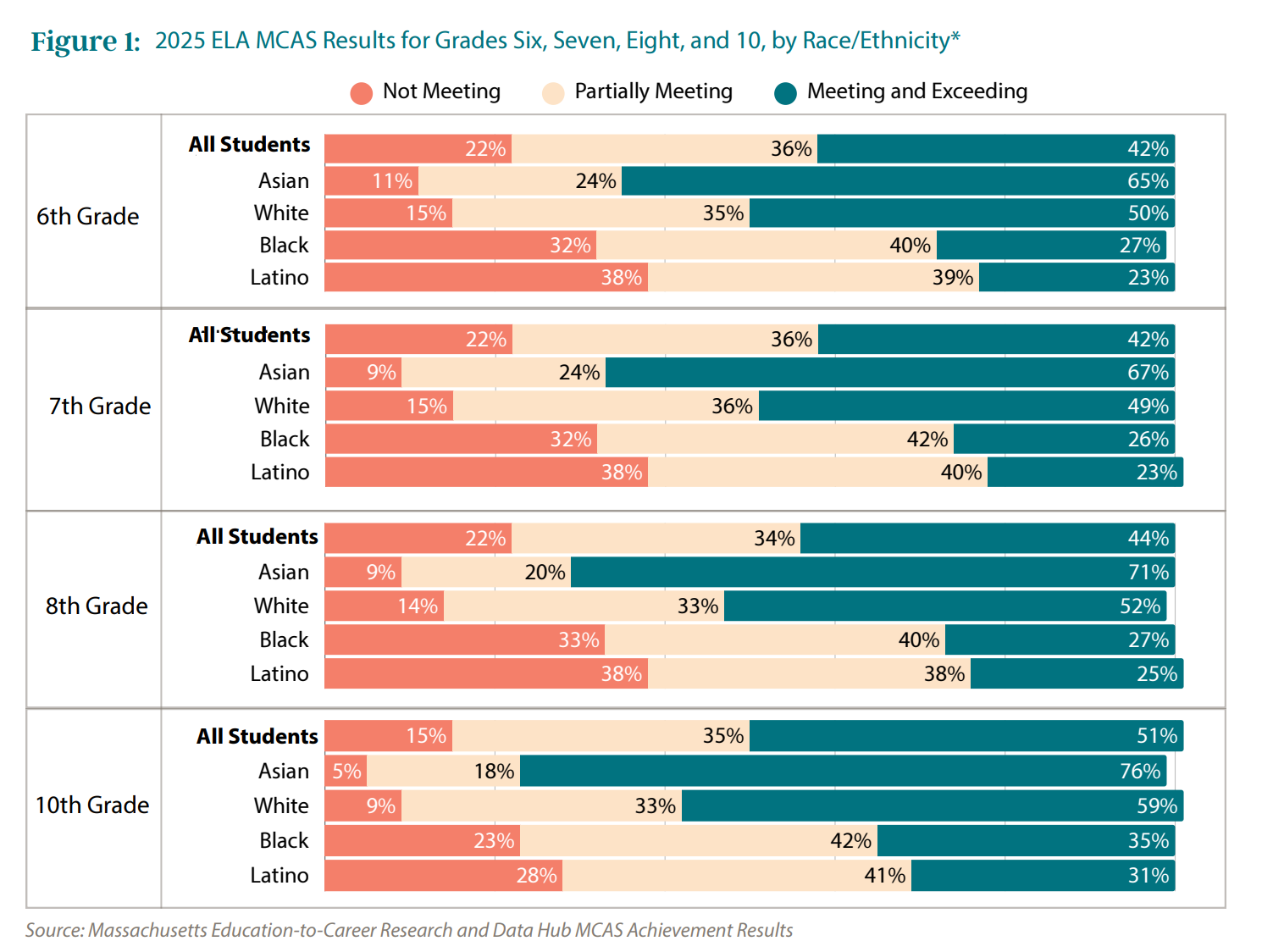
Lots of interesting data in this MassINC Polling survey about AI. Would have liked to see attitudes about AI in education, particularly given recent pushback on technology in schools. There is a natural limit, given that nearly all major school assessments are now done online.
Other Matters
Nine ballot questions are officially in play for November’s election.
Unable to address big policy, election, and taxation questions, the legislature was able to find the time to legalize one guy taking bets on virtual versions of old horse races.